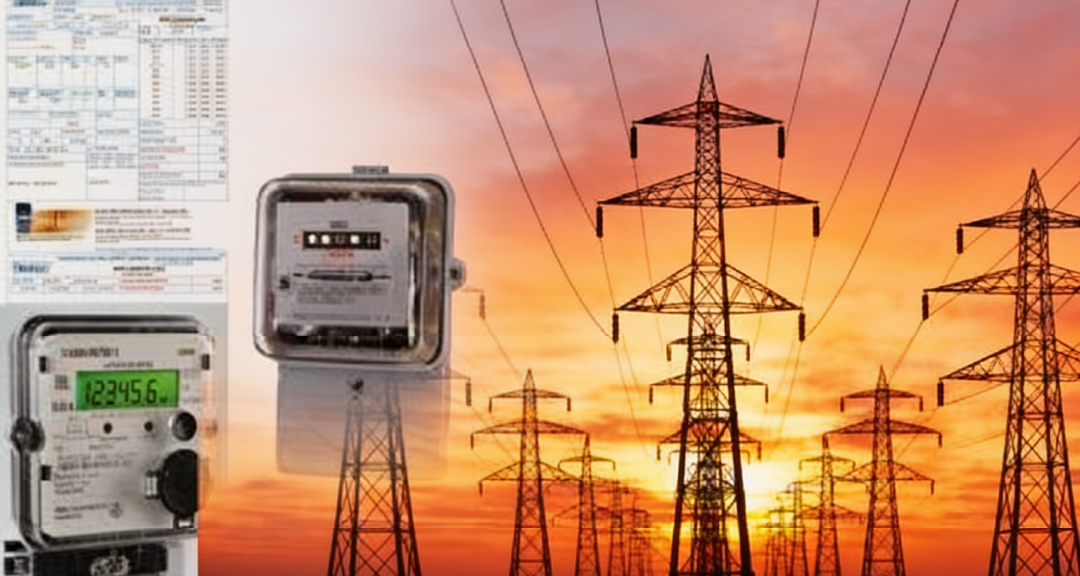


The federal government has started the process of privatisation of three electricity distribution companies (DISCOs)— Faisalabad Electric Supply Company (Fesco), Gujranwala Electric Supply Company (Gepco) and Islamabad Electric Supply Company (Iesco) and invited interested parties to be involved in process.
According to the Privatisation Commission, the process will hand over 51 to 100 percent stakes and management control of the three DISCOs to buyers.
In Islamabad, the planners are calling the decision a ‘tried and tested method’ for bringing competition and innovation to the crisis-ridden power sector, while in Gujranwala, Gepco employees are locking their offices and marching on the GT Road in protest against the privatisation.
Out of a total of about 45 million consumers of the 10 state-owned DISCOs of the country, Fesco, Gepco and Iesco are responsible for supplying electricity to about 15m consumers and their network is spread over the areas from the industrial centres of central Punjab to Attock and Azad Kashmir.
According to the notice, the last date for submission of expressions of interest for Fesco has been fixed as July 7, for Gepco, it is August 6 and for Iesco, it is Sept 7.
During this period, a 45-day global campaign will be launched to attract foreign investors. Road shows will be held in China, Turkey and Saudi Arabia, and domestic investors will also be contacted. Restructuring of the power distribution sector, proposals for governance reforms and investment opportunities will be discussed with investors.
But nobody is giving details of what is going to happen to the consumers as a result of this privatisation?
Circular debt—the hidden problem
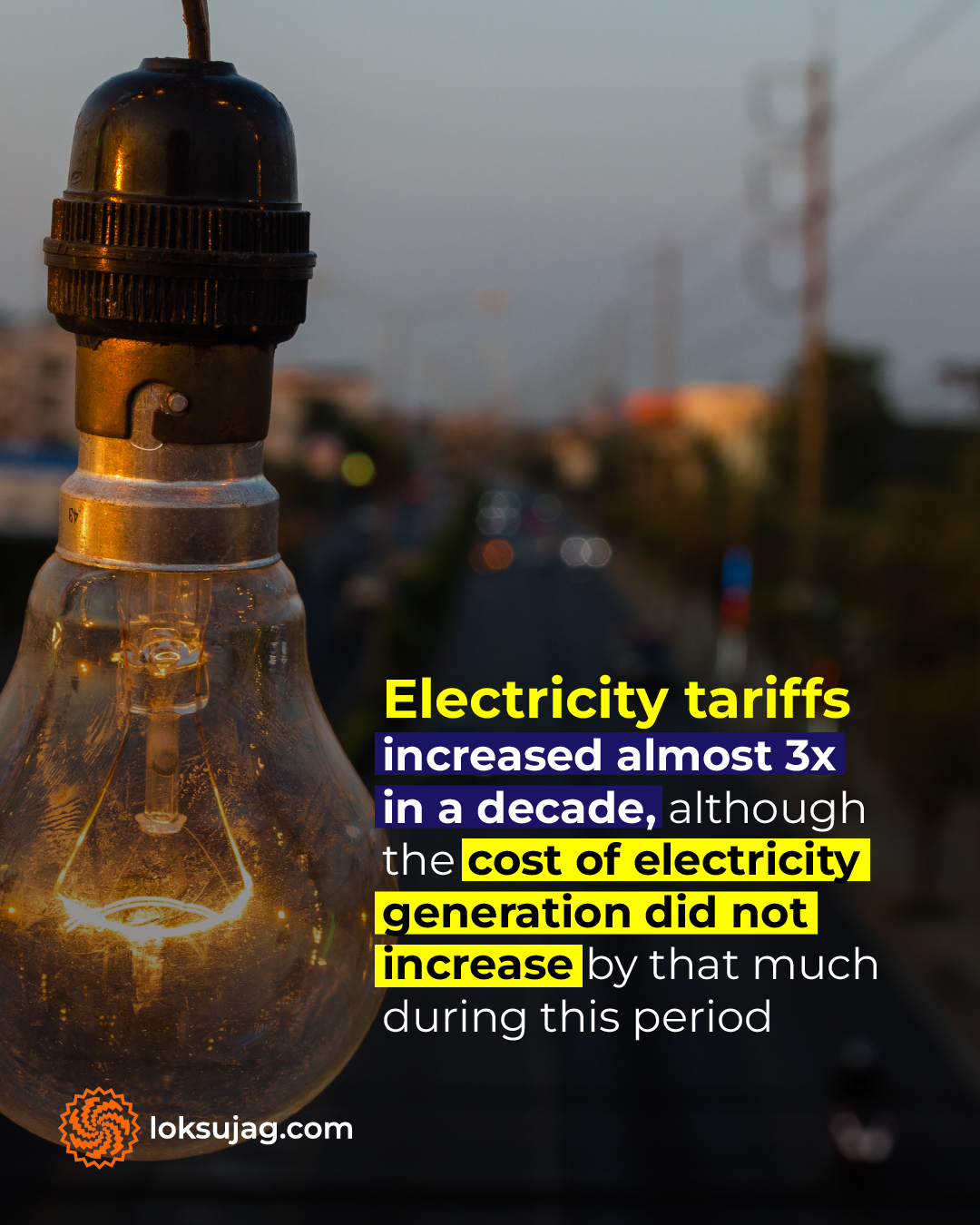
The biggest problem for consumers is the ever-increasing prices of electricity. In 2015, the average electricity tariff (without taxes) was Rs12.5 per unit, which increased to Rs34.45 in 2025. Thus, electricity tariffs increased almost three times in a decade, although the cost of electricity generation did not increase by that much during this period. The real reason for the increase in electricity price is the ever-increasing debt burden of this sector.
Why is this debt increasing?
Under-collection of revenue, power theft, line losses and mandatory heavy payments to power generators—IPPs (capacity charges) increase the financial losses of this sector daily, which are met through debt. The long-standing problems of the sector are not being resolved, so the losses are not stopping and the debt is constantly increasing. The largest part of this debt is capacity payments.
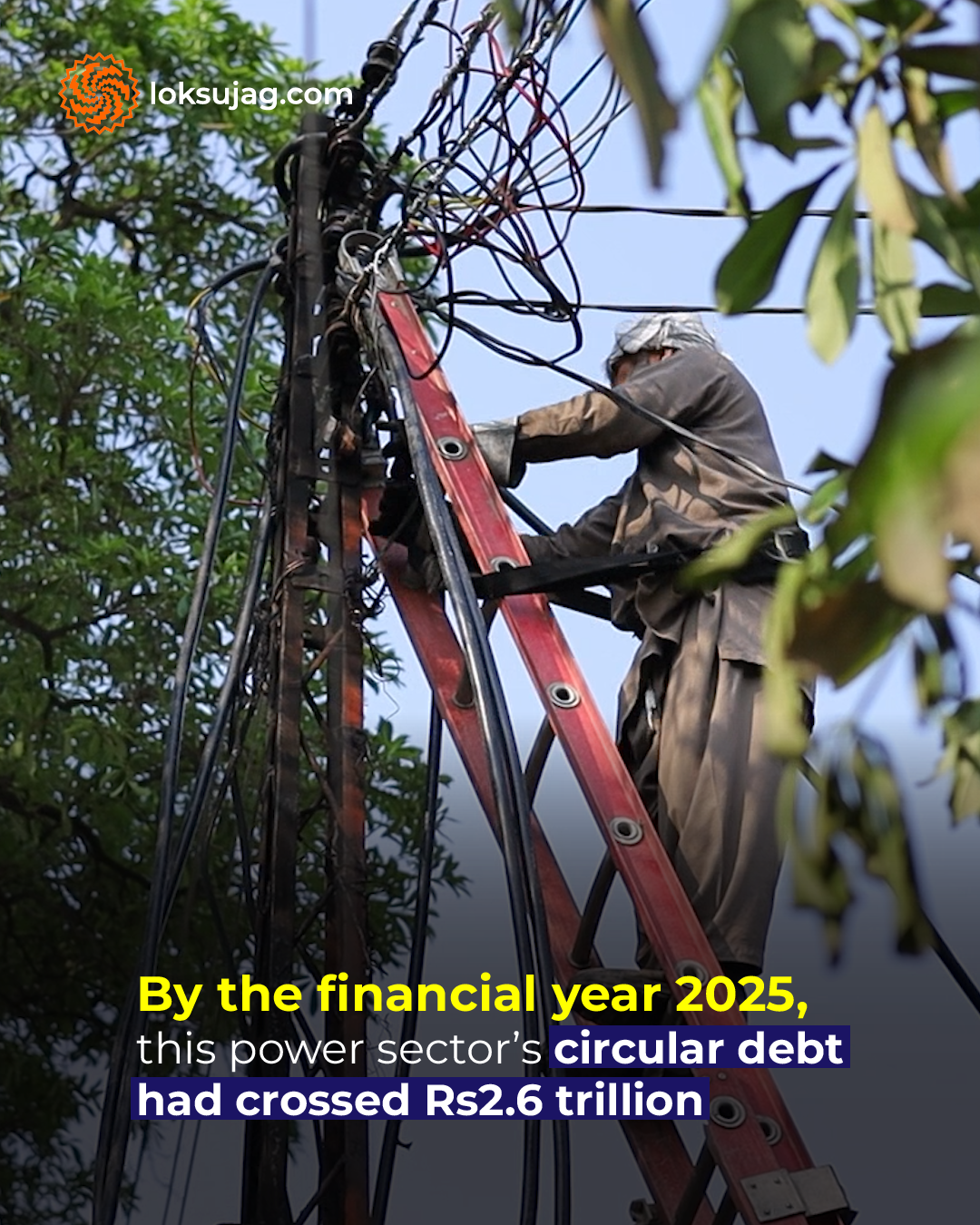
By the financial year 2025, this circular debt had crossed Rs2.6 trillion.
A senior Gepco official, on condition of anonymity, says that it is not possible to deny the inefficiencies of DISCOs, but capacity payments worth trillions of rupees are ignored in the privatisation converation. This is a major part of the cost of electricity and the biggest burden on DISCOs. Improvement cannot be brought about without addressing it. “Just changing ownership will not change anything,” he asserts.
Nepra’s data also supports this view. In the FY2025, the ‘capacity purchase price’ of electricity (the amount that the government pays to the IPPS just because they have installed power plants, whether the government buys electricity from them or not) averaged Rs14.21 per unit, which was about 41.2% of the consumer price (the basic price that the government sets for consumers before additional taxes). That is, consumers paid Rs14.21 out of Rs35.45 for each unit of electricity only as capacity charges for these plants.
Who would regulate the buyer company?
The government says that the privatisation of Fesco, Gepco and other DISCOs is aimed at improving the efficiency of the power sector, strengthening the provision of services, and promoting domestic and foreign investment. The privatisation of the power sector was initiated in 2005 when K-Electric was privatised. Even then, the government projected the same benefits as it is doing now, but neither service delivery in Karachi improved significantly nor did the expectations of large investments come true after the privatisation.
K-Electric carries out loadshedding on the basis of power theft or line losses. It means more outages are carried out in the areas where power losses are high. The company maintains that this step is necessary to control losses.
However, Nepra calls this practice a violation of the rules because it results in collective punishment, due to a few defaulters, for even those customers who regularly pay their bills. Nepra also imposed fines on it, which were later cancelled.
Afia Malik, a former research fellow at the Pakistan Institute of Development Economics (PIDE), has been working on the power sector for two decades. She believes that without effective regulation, there is no chance of improvement in DISCOs. In the case of K-Electric too, there is no accountability nor effective monitoring.
“The regulator (Nepra) only sets tariffs but has no capacity to enforce the rules,” she adds.
Apprehension about dollar-based contracts
Afia Malik believes that the privatisation of DISCOs will be an experience similar to K-Electric. There, power is not supplied to loss-making areas, but the company is okay no matter how much trouble the consumers are facing.
“The primary interest of the private sector is to make profits. Even in the case of privatisation of these three DISCOs, there is no hope of improving services.”
Faryal Qazi, an energy sector researcher affiliated with the Institute of Policy Studies, Islamabad, says that a special inquiry report on the power sector in 2020 revealed that the IPPs manipulated their expenditure figures and earned profits far higher (50 to 70pc) than the prescribed limit (15pc).
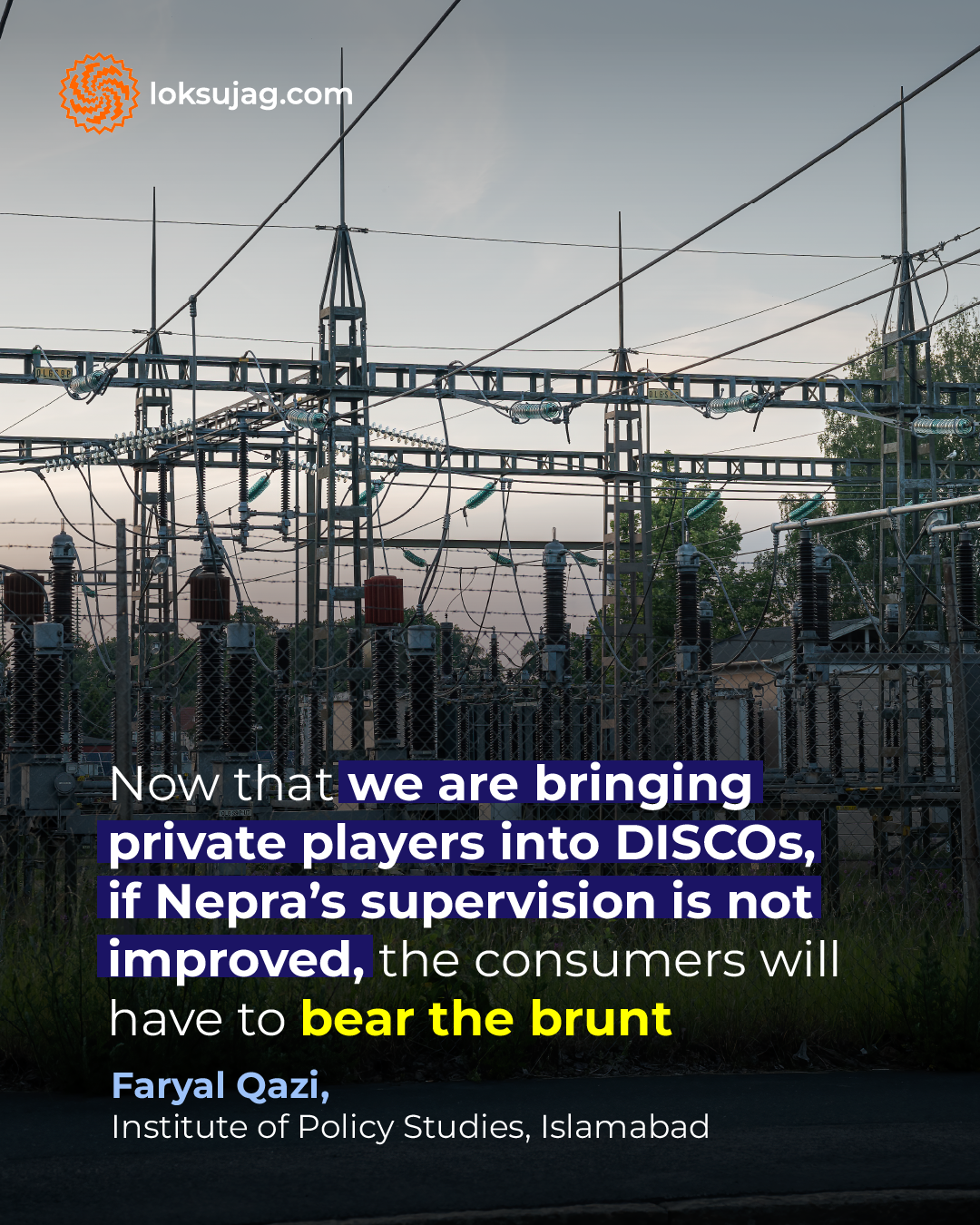
“Now that we are bringing private players into the DISCOs, if Nepra’s supervision is not improved, the consumers will have to bear the brunt. If the regulator does not have the capacity to redress grievances, where will the consumers go for justice?”
She says that recently an investor suggested linking the DISCOs’ contracts to the dollar. If this happens, there will be no purpose left for privatisation as it cannot achieve the objective of reducing electricity rates. “It cannot be right to repeat the same mistake just to attract investment.”
It should be noted that the contracts of the IPPs are already linked to the dollar, the consequences of which are being borne by the entire power sector.
DISCOs privatisation to make consumers more vulnerable
Experts say that behind every privatisation story in Pakistan, the role of global donors, namely the World Bank and the International Monetary Fund (IMF), is clearly visible.
Faryal Qazi says that the proposal to divide Wapda into several parts came from the World Bank. Today, privatisation of DISCOs is also part of the donors’ agenda. They also decide when to appoint a financial adviser and which company will be privatised first.
According to experts, privatisation of DISCOs is also a part of the conditions of the current programme of the International Monetary Fund (IMF).
“They (donors) make decisions based on calculations, without caring about social complexities, and their eyes are only on their own goals. When decisions are made like this, the public’s interests is not taken care of.”
Faryal says that the available information suggests that the burden of all electricity costs will be shifted to the consumers as a result of this privatisation.
The Gepco official believes that investors can use any method, fair or unfair, to extract money. If the purchasing company is given the power to change the tariff, they would squeeze the consumers out of money.
“In such a case, the reputation of the company will be affected, people will lose trust in both the system and the government. There is already a lot of poverty in the country, privatisation of DISCOs will result in more poverty.”
Responsibility for liabilities of DISCOs, pensions of employees
Apart from the regulatory aspects of the privatisation of DISCOs, there are also financial aspects. Afia Malik says that the financial details (balance sheets) of DISCOs are rarely made public and it is not yet clear how the assets, liabilities and obligations of these institutions will be transferred to private companies. Will the government take responsibility for all the liabilities itself?
Pensions are a huge responsibility among the expenses of these institutions. According to the Gepco officer, potential investors are not ready to take on pension responsibilities. He confirms that there is severe anxiety among all employees, from top to bottom. Everyone believes that if the company is privatised, job security will end.
“I don't want to, but I am seriously considering taking early retirement. My colleagues tell me that I have nine years left in my job, what will I do for the rest of my life, how will I meet the expenses of my house and children? But I am afraid that I will lose my gratuity and pension,” says lineman Ghulam Rasool, who has been working with Gepco for 30 years. Now his son is studying in university and three daughters are studying in school and college and he is hoping to get them married with his gratuity.
Waliur Rehman Khan, regional chairman of All Pakistan Wapda Hydro Electric Workers Union, says that Gepco’s assets worth billions of rupees are being sold for pennies, which is unacceptable in any case. It would be better if the workers were handed over the company to run it.
“If the privatisation process is not stopped immediately, meter reading and bill collection will be stopped,” he says.
It seems that the formula for privatisation is such that debts, pensions and loss-making DISCOs will remain with the government, while investors will take over profitable DISCOs free of financial burden. Fesco, Gepco and Iesco are not loss-making institutions. The government has chosen to sell them because they are financially attractive to investors, but what will happen to loss-making DISCOs? How will the rights of DISCO employees and electricity consumers be protected? No one has the answers to these questions.
(Mohsin Ali and Sadia Saifullah have contributed to this report)
Published on 10 Jun 2026