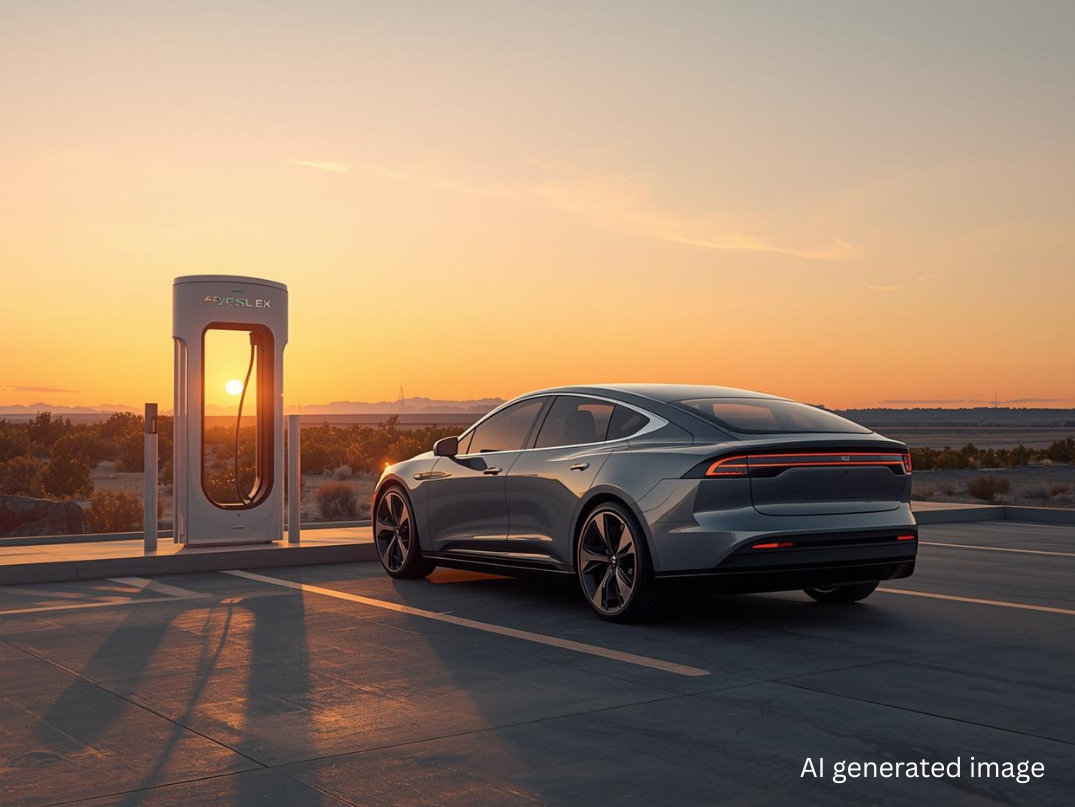


The federal government has formulated two National Electric Vehicle (NEV) policies in seven years, with the aim of replacing combustion engine vehicles (petrol, diesel, gas) with eco-friendly electric vehicles (EVs).
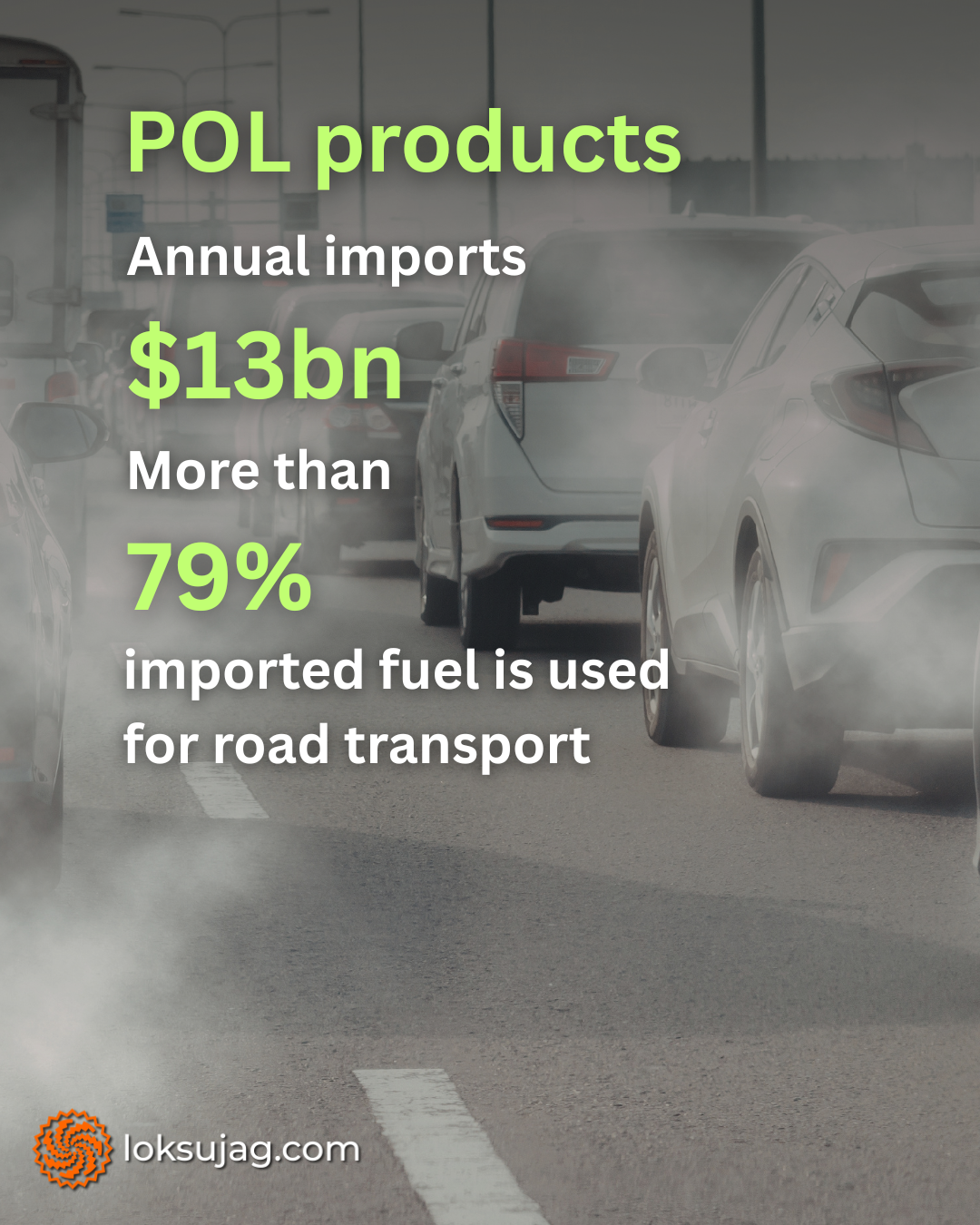
Pakistan imports petroleum products worth $13 billion (approximately Rs3.618 trillion) annually, of which more than 79 percent is used for road transport alone. Not only is the cost of this sector increasing day by day, it is also the largest contributor to the country’s overall pollution.
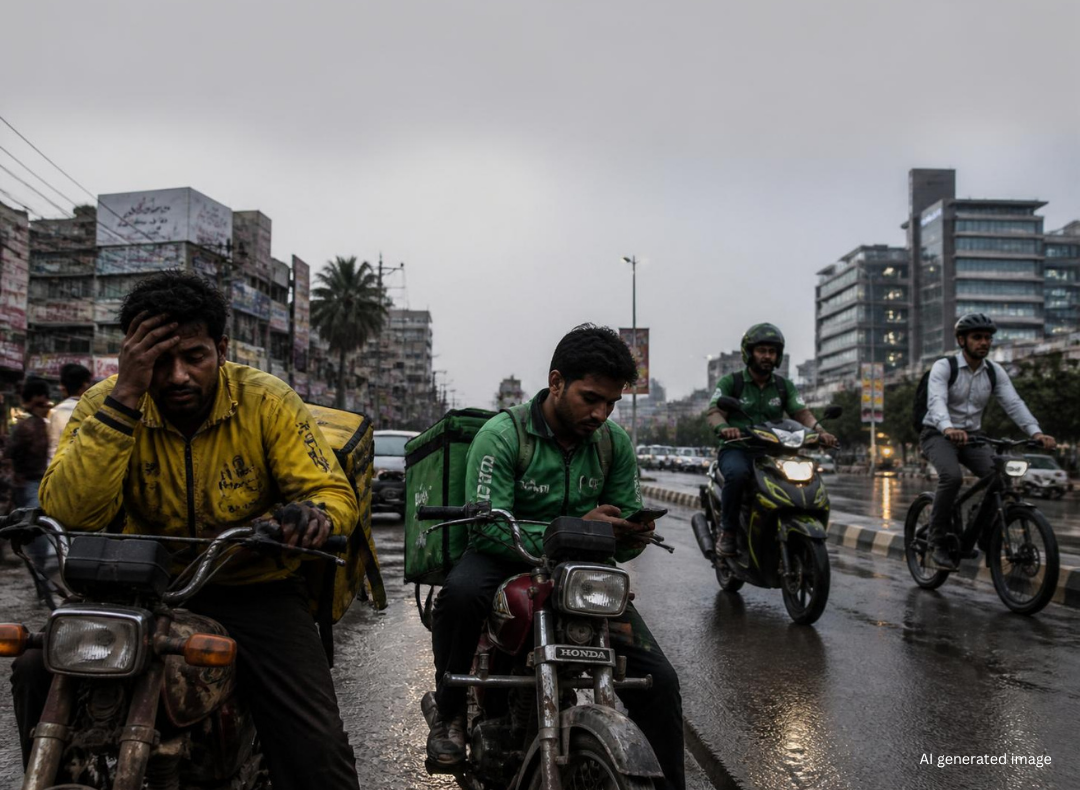
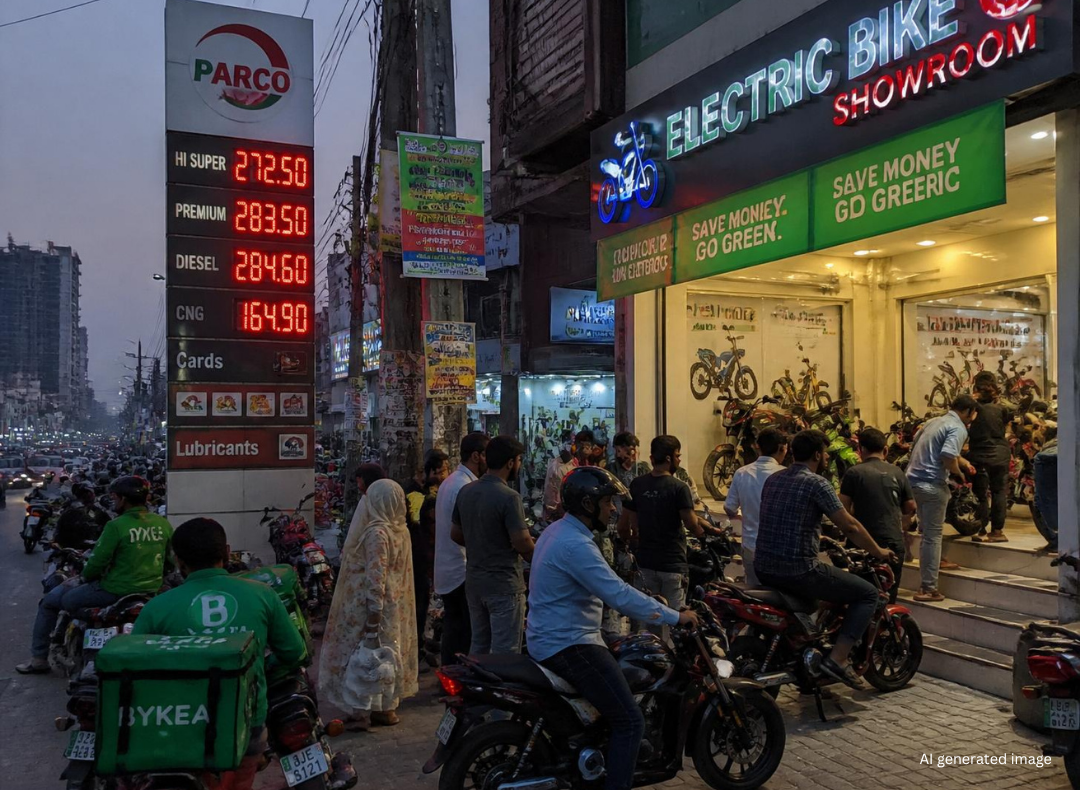
Some results of the measures taken under these policies have certainly come to the fore in the form of e-bikes and e-rickshaws (two, three-wheelers), but four-wheelers or larger electric vehicles are rarely seen on the roads.
High goals but minuscule success
The first national EV policy was introduced in 2019, with the goal to bring 100,000 electric four-wheelers (cars, jeeps, vans, mini-trucks), 1,000 buses and trucks, and 500,000 e-rickshaws and bikes on the roads in the next five years.
The future targets of the policy were that by 2030, 30 percent of all new vehicles sold would be EVs, which would increase to 50 percent by 2040, and by 2060, the entire transport system would be shifted to clean energy.
The strategy to achieve these goals was to provide incentives in terms of duties, taxes, and fees on the import, sale, and registration of spare parts for four-wheelers and larger EVs or for local manufacturing.
As per the plan, the State Bank of Pakistan had to arrange green financing for the domestic production and sale of EVs and the government had to provide subsidies to make the prices affordable. Charging infrastructure was to be promoted as a new industry. Initially, charging stations would be set up every 30km on the National Highway (N-5) and motorways from Karachi to Khyber.
However, neither the infrastructure has improved nor has subsidies been arranged for the local production and purchase of EVs except for e-bikes and e-rickshaws.
Last year, when the New Energy Vehicle Policy (NEV 2025-30) was launched, it was reported that the target of three percent for four-wheelers, 20 percent for buses (including most of the government e-buses) could be achieved, while the achieved target of e-trucks was not even one percent. The target of e-bikes, e-rickshaws, etc. had also been met by only 10 percent (total number 50,000).
The new policy maintains the same goals for the future as the first policy, while there is no major change in strategy.
Without subsidy, only a certain class can afford EVs
Experts believe that there is a huge gap between policy goals and practical measures and without filling this gap, the outcome of the current policy will not be different from the previous one. There are three main reasons for the failure of policies and the lack of promotion of EVs.
The first and biggest reason is that EVs are very expensive.
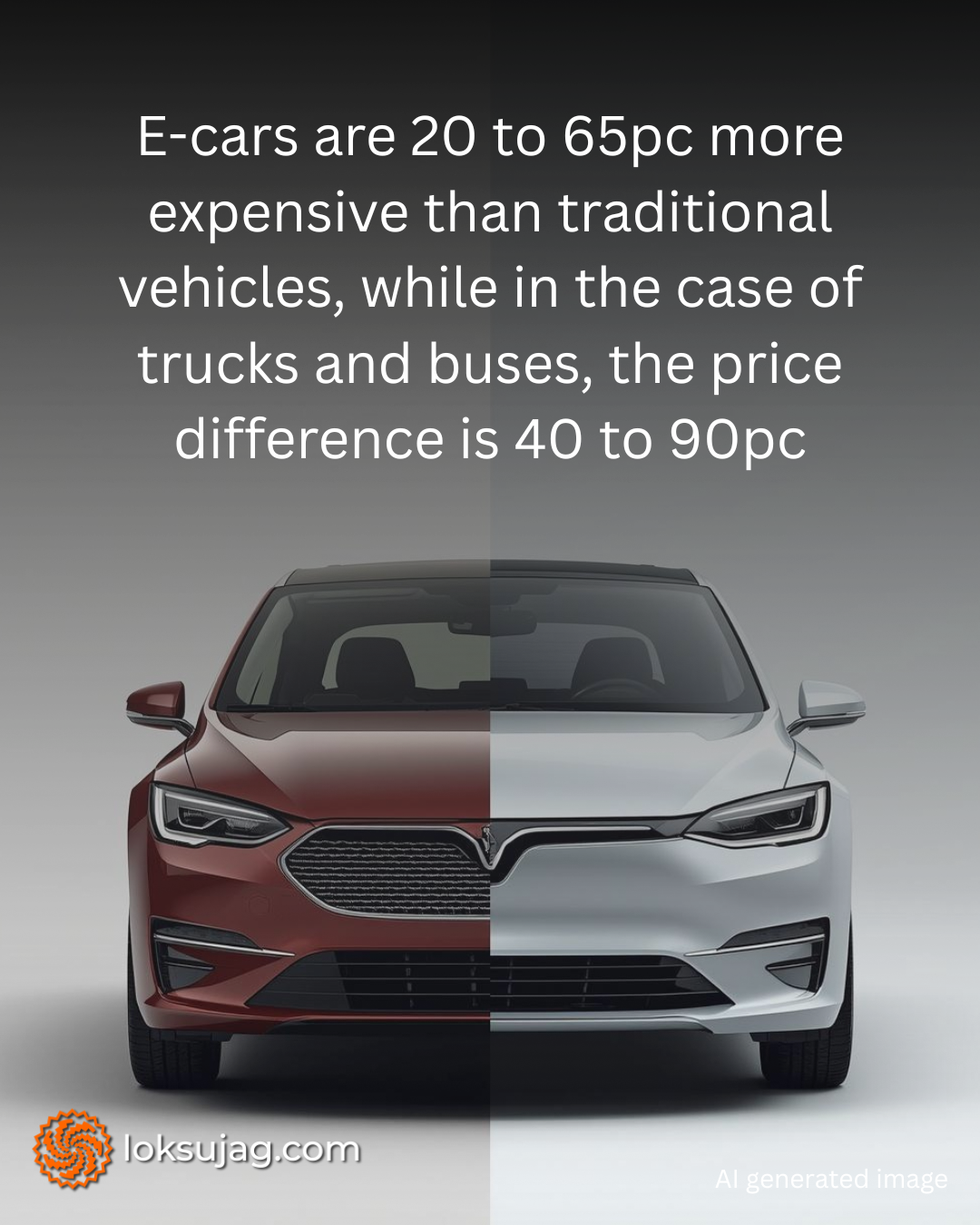
The NEV policy confirms that electric cars are 20 to 65 percent more expensive than combustion engine vehicles, while in the case of trucks and buses, the price difference reaches 40 to 90 percent.
Dr Fahim Gohar Awan, the chairman of the Department of Electrical Engineering at the University of Engineering and Technology (UET), Lahore, says the prices of an average electric car have reached close to Rs10m, which is beyond the reach of the middle class.
“Purchasing power is a big issue, without sufficient subsidy, only a select group can afford to buy such a vehicle,” he adds.
Malik Shahzad Awan, leader of the Pakistan Goods Transporters Alliance, also says that if the prices of e-trucks and e-buses remain at the current level, perhaps no transporter will take the risk of investing in them for the next several years.
The NEV policy states that a subsidy of Rs200,000 will be required for an electric taxi, Rs300,000 for a pick-up truck and commercial four-wheel vehicle, and Rs700,000 for the purchase of buses, etc. Most transporters do not seem satisfied with this.
Auto industry analyst Mashhood Ali Khan believes that the government promises subsidies but cannot manage the money. Until prices are within the reach of the common consumer, EVs will not gain traction.
“You can assemble vehicles here, do local manufacturing or give subsidies, whatever you have to do, bring down prices, otherwise policies will continue to be made and fail."
Missing charging stations—a big hurdle
According to experts, the lack of charging facilities is the second biggest obstacle in the sale of electric vehicles. This problem is not limited to rural areas, but charging stations have not yet been built in many district headquarters.
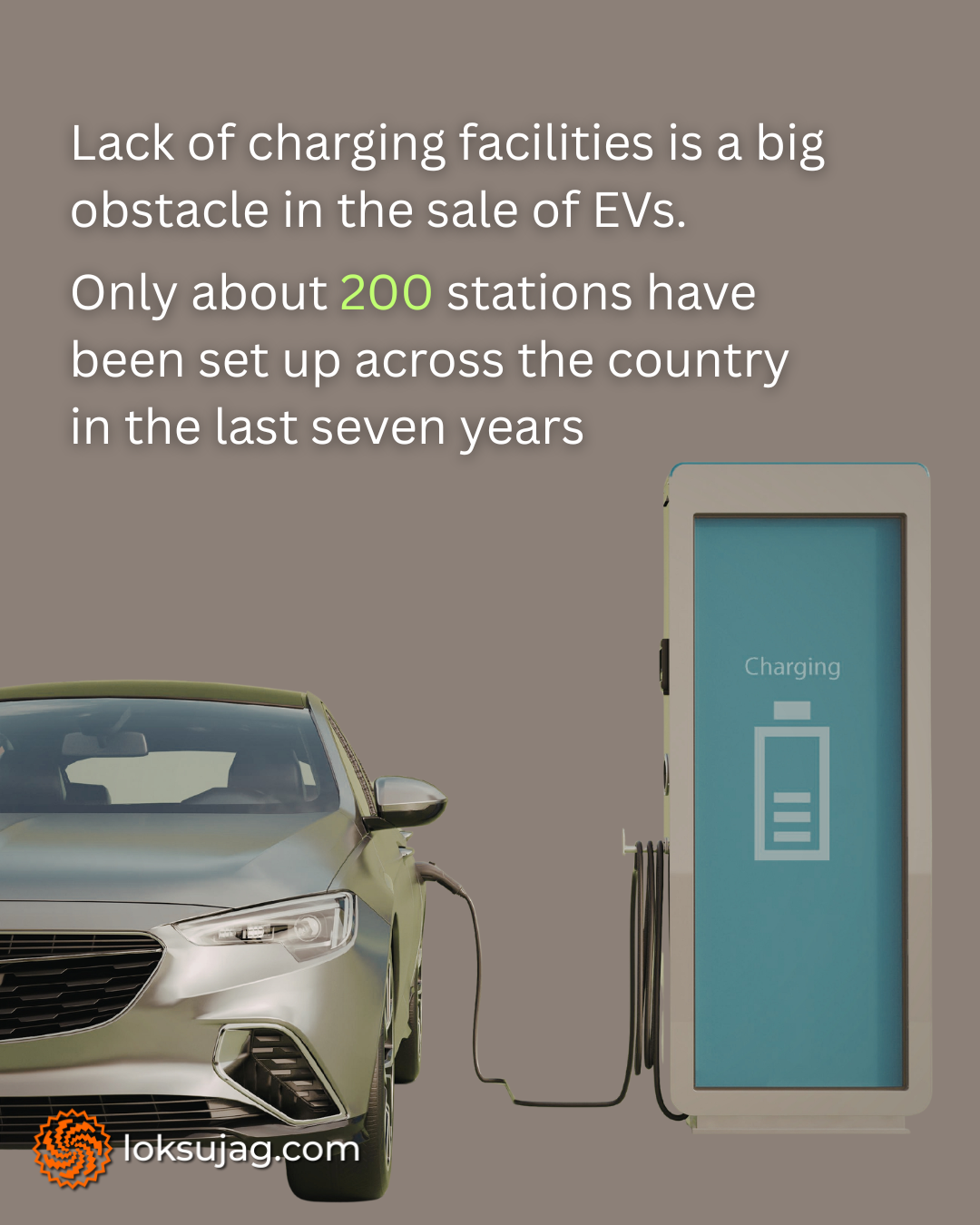
The government has maintained the target of establishing 3,000 charging stations for four-wheelers or larger EVs by 2030 in the new policy. It also claims that charging facilities will be ensured in every 60km area on highways within two years. However, only about 200 stations have been set up across the country in the last seven years.
Experts believe that a common consumer will not decide to buy an electric car until he is provided with fast charging facilities at least every 100km on highways and motorways.
Dr Fahim Gohar says that the government had planned to convert existing CNG stations into charging facilities, but it could not be implemented. Thousands of people from the white-collar class want to get rid of expensive petrol but are also afraid of buying a smaller EV, he maintains and adds: "Who would want a person with a good income to spend Rs15 million on buying a good EV and then struggle to charge it? As a result, this class is paying more attention to plug-in hybrid vehicles (which run on both charging batteries and liquid fuel).”
As for large vehicles, Malik Shahzad Awan says that goods transport has to cover long distances with heavy loads. An electric truck takes hours to fully charge, while a diesel tank fills up in a few minutes.
"Time is most important for us, don't expect us to transition to electric until better battery technology and the fastest charging system (even better than Level 3 fast charger) are available in the country.”
Govt, industry collaboration indispensible
Mashhood Ali Khan believes that financing in the EV sector in Pakistan is very low. EVs have flourished in China and Europe because there has been heavy investment in this sector. They are manufacturing EVs themselves. Financial institutions have supported and governments have provided subsidies to consumers in various ways.
"We import most of the EVs or do small-scale assembly by ordering spare parts, which makes the price of the vehicle unaffordable for ordinary consumers. The new policy has talked about providing subsidies of Rs100 billion, but this remained limited to only two or three-wheelers."
Experts believe that unless commercial banks increase the current limit of EV financing and the loan repayment period, the middle class will not come towards electric vehicles.
Under the State Bank of Pakistan's regulations, the maximum financing or loan limit for a vehicle is Rs3m, which the consumer has to repay within at least three years.
Officials admit that the aforementioned restrictions on financing have led to a decline in demand for EVs. On the one hand, consumers have to pay a large amount (equity) to buy a vehicle, and on the other, monthly installments are unaffordable.
Mashhood Ali Khan says that only loan facilities or subsidies are not enough to reduce costs, there should also be large financing in batteries, local production of EVs and charging infrastructure. The government alone will not be able to do anything, all stakeholders of the auto industry will have to come forward.
Should hybrid vehicles also be considered eco-friendly?
Sarem Zia, research assistant at the Sustainable Development Policy Institute, Islamabad (SDPI), says that the previous EV policy faced problems such as administrative weaknesses and economic pressures. The division of powers between the Ministry of Climate Change and the Ministry of Industry and Production also affected implementation.
“Now, appropriate changes in the policy and actionable steps will have to be taken by setting priorities,” he suggests.
Indus Motor Company CEO Ali Asghar Jamali did not call the targets unrealistic but he believes that relying on ‘full electric vehicles’ is not an effective strategy in Pakistan. He believes that balanced and phased measures should be taken, and hybrid and plug-in hybrid vehicles should also be considered part of green mobility.
However, Dr Kiran, a teacher at the Lahore University of Management Sciences (LUMS), disagrees. She says that achieving the EV targets is possible provided that easy leasing models are introduced. A large-scale charging and battery swapping network should be established.
“At the initial phase, the priority should be to electrify waste management vehicles, urban delivery vans, local buses and school transport, along with rickshaws and bikes.”
Dr Kiran stresses that policy continuity is essential while Green financing in manufacturing and infrastructure, carbon credits and international climate funds could also be key to success.
Published on 2 May 2026