

The federal government has been working on the National Lithium-ion Battery Manufacturing Policy 2026-31 for several months and it is aimed at meeting the growing demand for batteries for electric vehicles (EVs), reducing imports and encouraging foreign investment.
This policy is expected to be made a part of the country’s energy security framework, which will increase the local production of better-performing batteries, reduce prices and eliminate the risk of disruption in the supply chain.
Last month, the Engineering Development Board (EDB) was informed that the draft policy has been sent to the Ministry of Industries and Production, which has made several suggestions, including reducing import duties on components required for local assembly and manufacturing of lithium-ion batteries.
The government is expected to announce this policy in the budget. By then, the country’s first lithium-ion, i.e. NMC (Nickel Manganese Cobalt) battery-manufacturing plant in Korangi, Karachi, will also start operations, which will initially produce batteries for about 2,000 e-bikes/scooties per month.
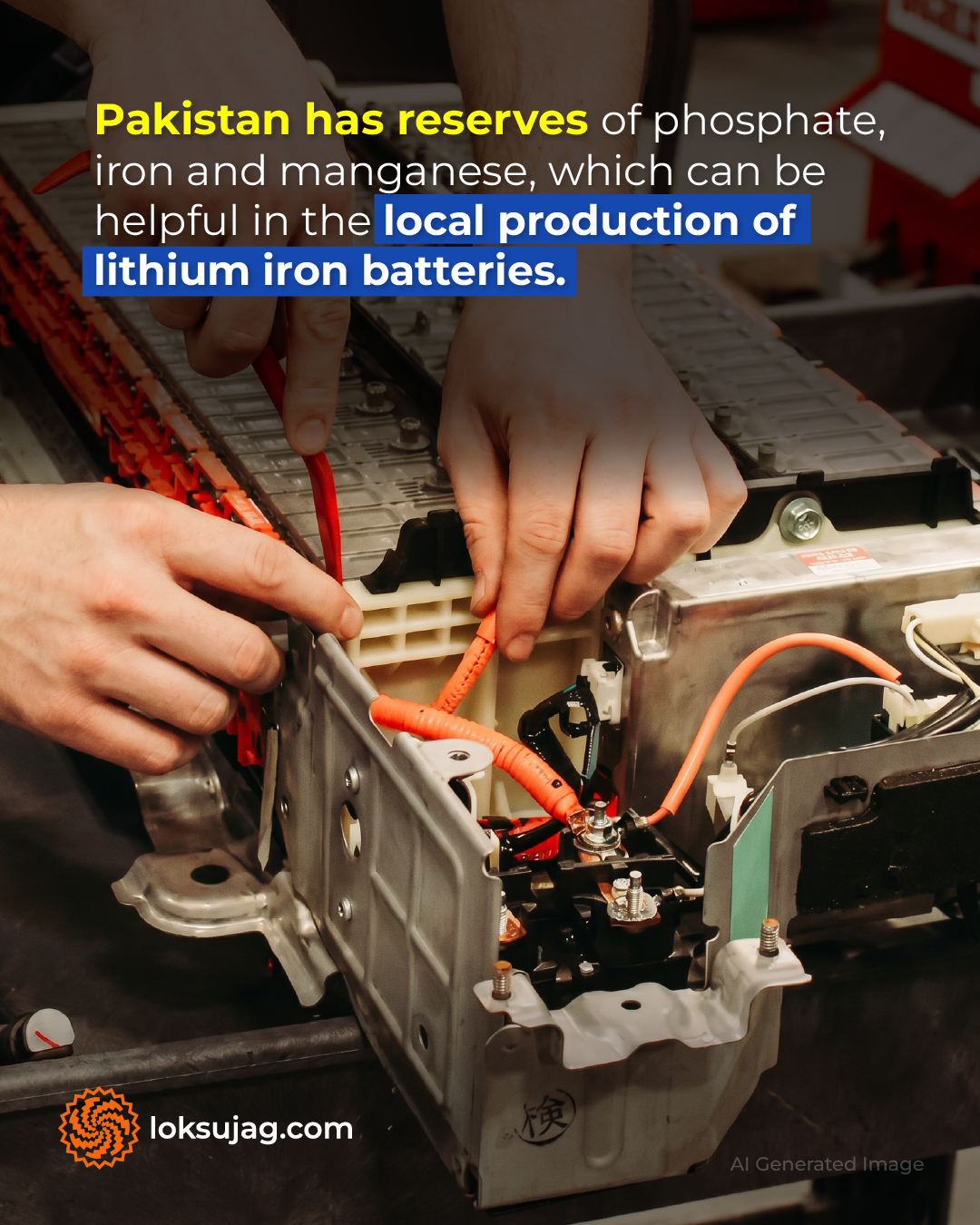
It is worth noting that approval has already been granted for the production of lithium iron phosphate (LFP) batteries in the country. These are being widely used in solar systems, backup power and telecom infrastructure. Pakistan has reserves of phosphate, iron and manganese, which can be helpful in the local production of lithium iron batteries. Business-to-business agreements have also been signed with China in this regard. However, the framework for quality, testing, certification and recycling of lithium batteries in the country has not been developed yet.
Which battery is more suitable for whom?
In the Pakistani market, two types of batteries are mostly used for electric vehicles and the power sector, namely lithium iron phosphate batteries (LFP) and lithium-ion batteries (NMC).
The LFP batteries are considered relatively safer, they have a lower risk of fire or overheating. While lithium-ion batteries or NMC are more sensitive and can prove dangerous when overheated. This difference is very important in a hot country like Pakistan, where summer temperatures exceed 45 degrees Celsius.
Another difference between the two is the lifespan. According to Dr Fahad Rashid, an energy expert affiliated with the Lahore University of Management Sciences (LUMS), the LFP batteries have a longer lifespan, which has been effective for four to six thousand charge cycles, while NMC batteries are usually limited to one-and-a-half to two thousand cycles.
LFP batteries are less expensive than NMC because they do not involve expensive metals like cobalt in their production. This is why they are being used more in solar systems and power banks in Pakistan. However, in the case of electric vehicles, lithium-ion or NMC batteries have an advantage. They are relatively lighter in weight and have higher energy density, which provides a longer range. LFP batteries are relatively heavy and have low density, which allows them to cover a shorter distance for the same weight (equivalent to NMC). Experts believe that cost, safety and long life are more important in the case of EVs like home solar and bike rickshaws. LFP batteries are more suitable for these users, while lithium-ion batteries can prove to be more useful where light weight and longer range are required.
How can the price of batteries be reduced?
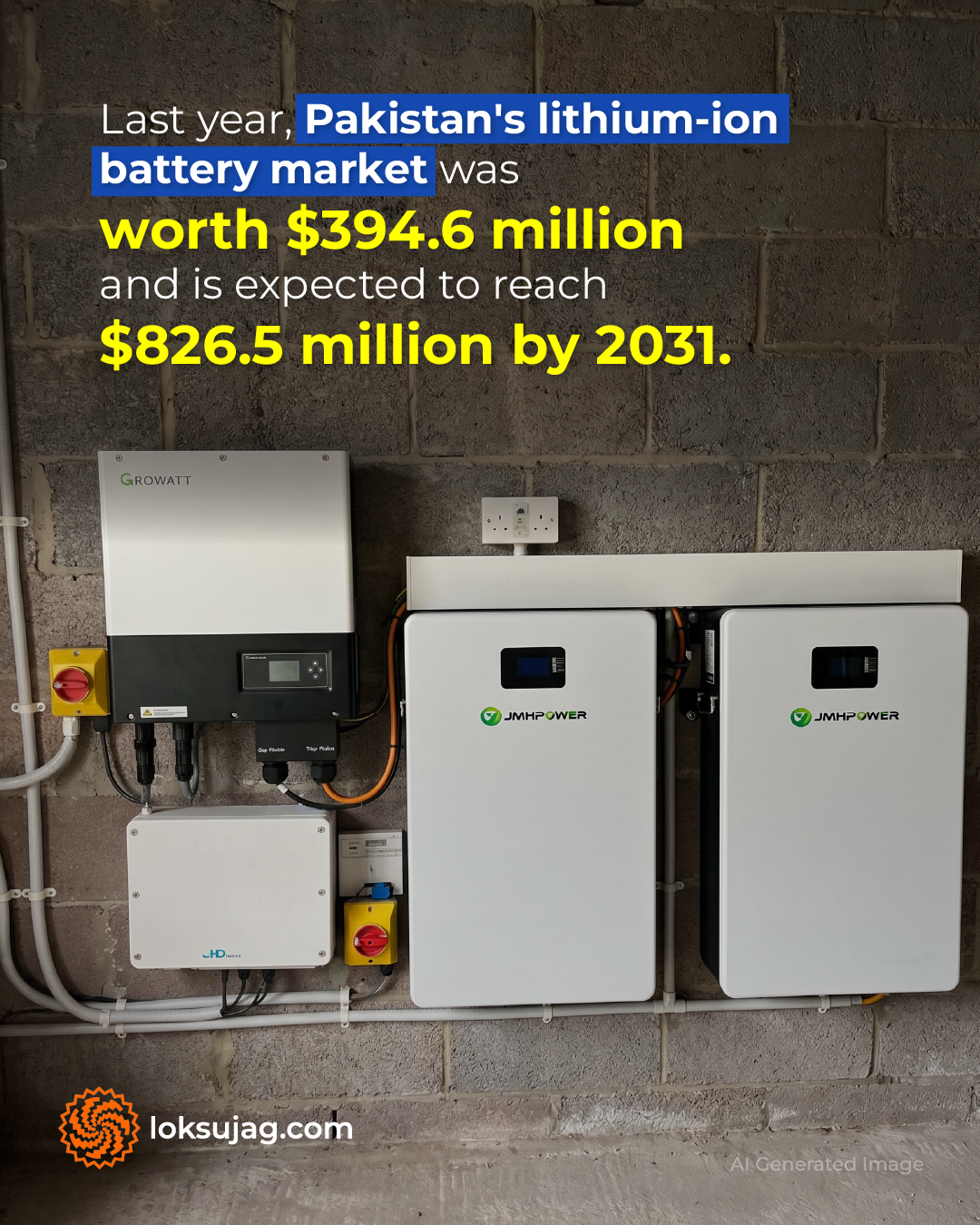
Last year, Pakistan’s lithium-ion battery market was worth $394.6 million, and is expected to reach $826.5 million by 2031. Last year, three gigawatt-hours of lithium-ion batteries were imported, and by 2030, these imports will reach eight gigawatt-hours.
The government claims to have zero-rated taxes on raw materials for batteries, but the Pakistan Renewable Energy Development Forum says that there are taxes and duties of up to 50pc on lithium-ion battery sales, which are hindering local assembly and manufacturing of batteries. The forum also wrote a letter to the EDB last month, urging it to reduce taxes.
Experts say that 35 to 50 percent of an e-bike worth Rs200,000 to Rs250,000 is made up of batteries, which in the form of lithium-ion batteries cost Rs70,000 to Rs125,000.
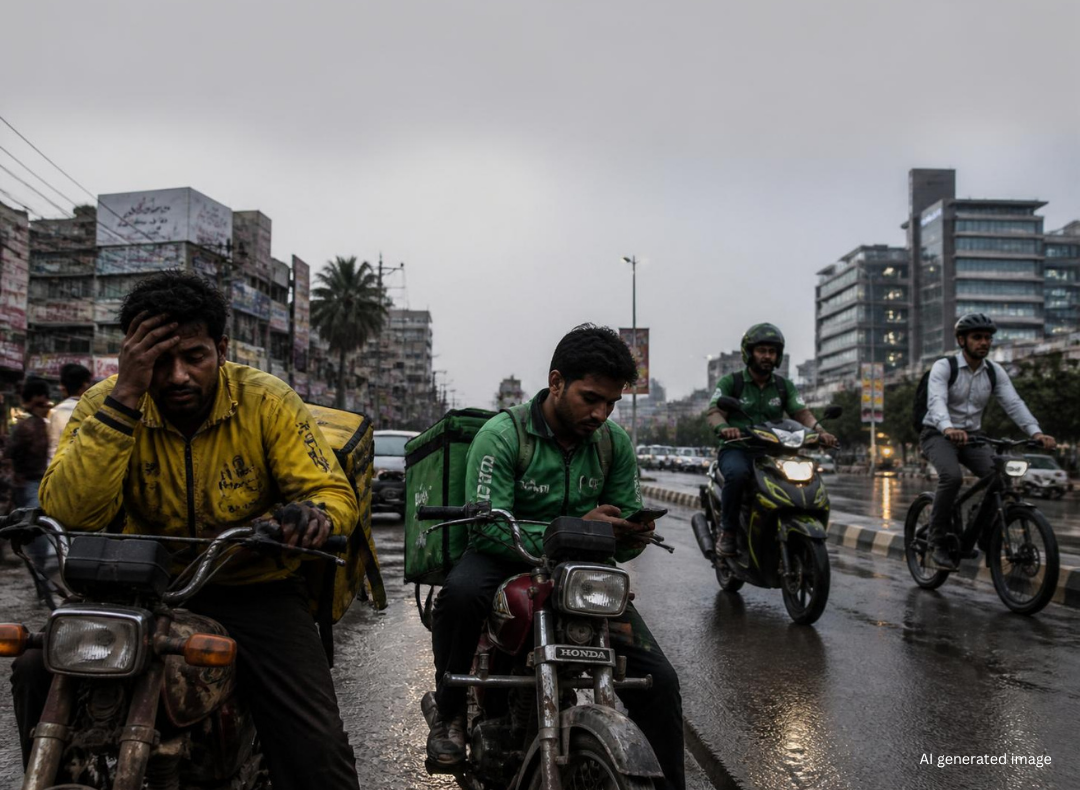
Dr Fahim Gohar Awan, chairman of the Department of Electrical Engineering at the University of Engineering and Technology (UET), Lahore, says that if the production of battery pack assembly and management systems starts in Pakistan, the price of e-bikes can be reduced by 15pc and that of e-rickshaws by 12pc. Reduction in import costs and customs duties will also have a direct impact on prices. Bikes and rickshaws play a huge role in the country’s road transport, consuming 40pc of the billions of dollars in annual petroleum imports. They are increasing by at least 10pc every year. The government has also made this matter a priority in its EV policy
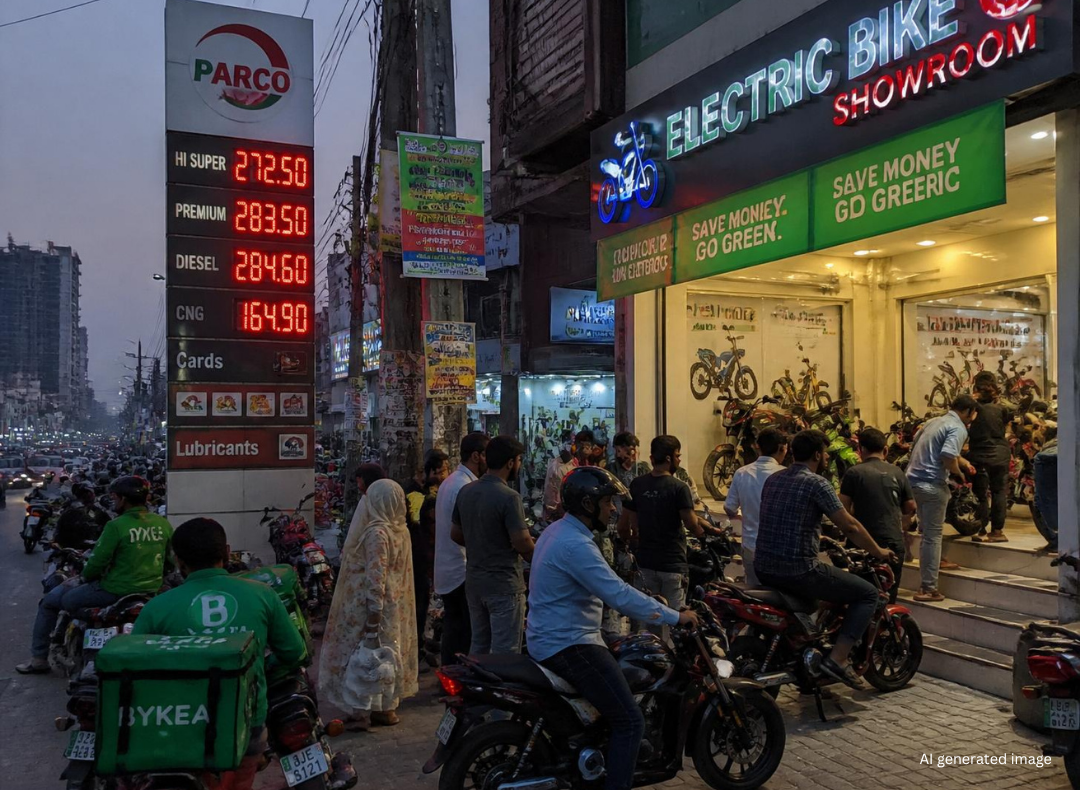
Hasnain Mehdi, project manager of Sazgar, an e-rickshaw manufacturer in Pakistan, says the number of e-bikes and scooties on the roads is increasing significantly. While petrol prices have attracted consumers, subsidy schemes have made them accessible to people. The government has also introduced schemes for e-rickshaws but price is a big problem. Its cost is much higher than that of a traditional rickshaw, mainly due to the battery. The proposed policy can definitely help. Rising inflation is pushing people towards alternative sources of energy, but this journey is not easy.
New policies, old obstacles
Now the question is how helpful the lithium-ion battery policy can be in promoting EVs in a country where consumers are facing several obstacles, ranging from financial difficulties to charging.
Auto industry business analyst Mashhood Ali Khan says there is a severe shortage of bank financing in the country. So far, subsidies are proving to be helpful in EV sales, but if this facility ends tomorrow, the market could be severely affected.
Not only batteries for EVs, but motors and controllers etc are also imported from China, and dependence on them will have to be minimised. The battery policy is important for bringing prices down, but the issues of after-sale services also require attention.
A major obstacle to popularising EVs in Pakistan is the lack of charging infrastructure and electricity outages. In many urban areas and villages, charging is affected due to the lack of electricity throughout the night, and travel becomes impossible in the morning.
Dr Fahim Gohar Awan says the solution to this uncertainty could be solar charging stations or a battery swapping network.
“The government has made announcements in this regard, but the practical progress on them has been very slow. From local production of lithium-ion batteries to provision of infrastructure, no task is easy. Safety regulations, recycling systems, strict monitoring of implementation and continuity of policies are also necessary.”
He says it is difficult to move forward without all these measures, which require heavy investment and a long period.
Officials of the Ministry of Industries and Production did not talk about whether a national battery policy will be announced in the budget or not. However, they did say that the government was working on lithium batteries. Several Chinese and Pakistani companies have expressed interest in investing in battery manufacturing and energy storage systems. However, former EDB chairman Almas Haider believes that the battery policy will gradually reduce the cost of two-and three-wheeler EVs, but the solar energy sector is expected to reap greater benefits.
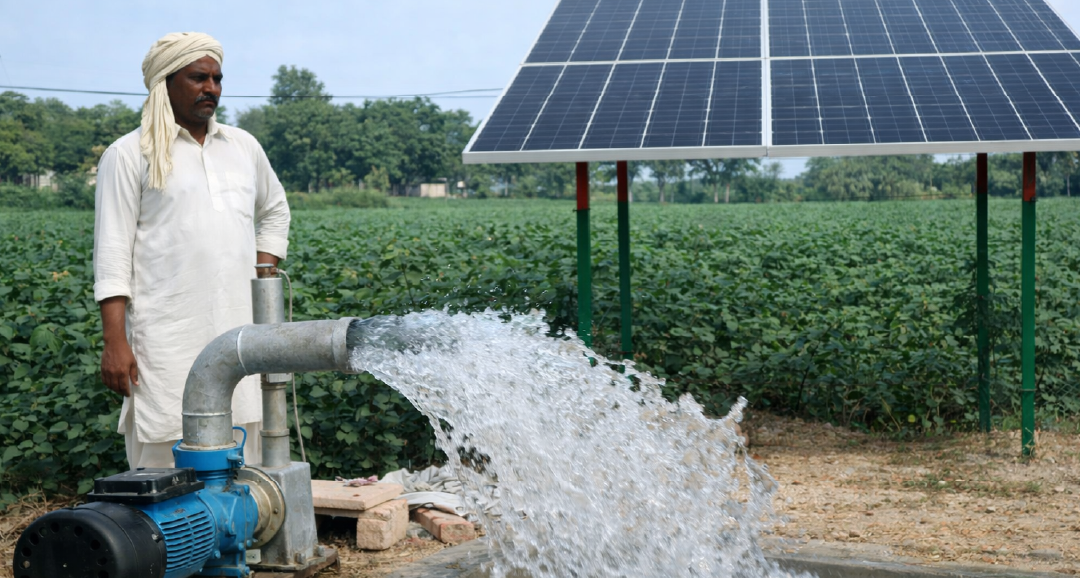
"Solar electricity can be used in the evening hours through energy storage systems, which will reduce dependence on expensive fossil fuel plants. The stability of the grid, backup power and the efficiency of net-metering systems will improve,” Mr Haider says.
Published on 10 Jun 2026