

Chitral, Swat, Shangla, Dir and Mansehra are the areas where the onset of winter was considered incomplete without snowfall, but this time there was no sign of snow in these valleys until the end of December. This is not just a delay in the weather but a silent warning that has put water, agriculture, health and the economy at risk.
According to locals, due to the long break in the rains, while water scarcity is increasing, there is also an alarming increase in seasonal diseases.
Muhammad Karim, a resident of Chitral, is a witness to this change. He told Lok Sujag that where two to four feet of snow used to fall in the past, but now only a few inches of snow falls in some areas throughout the season and it disappears as soon as the sun starts appearing in its full swing.
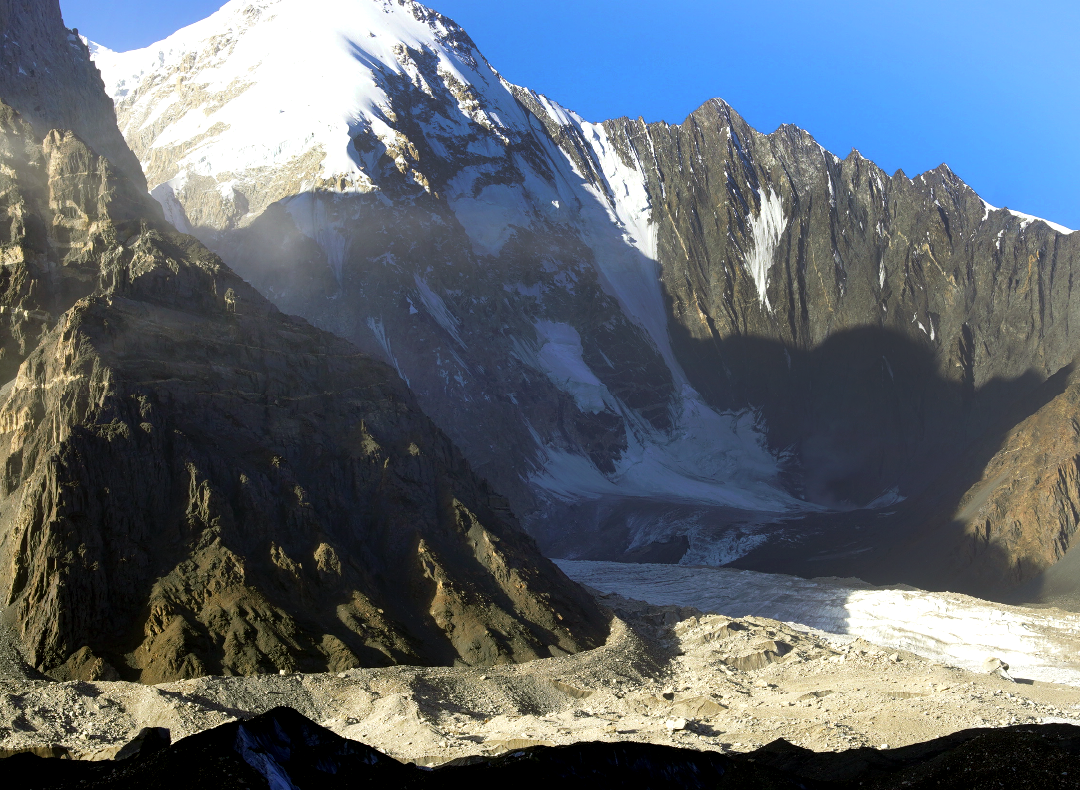
According to him, the glaciers on the higher mountains, which used to have a white cover all year round, now either shrink a lot or are invisible at all in summers.
These concerns of Muhammad Karim and other residents are not just personal observations but have now become a scientific fact.
The 2025 report of International Center for Integrated Mountain Development (ICIMOD), a reputable international organisation based in Nepal that researches mountain areas and glaciers, supports their statements.
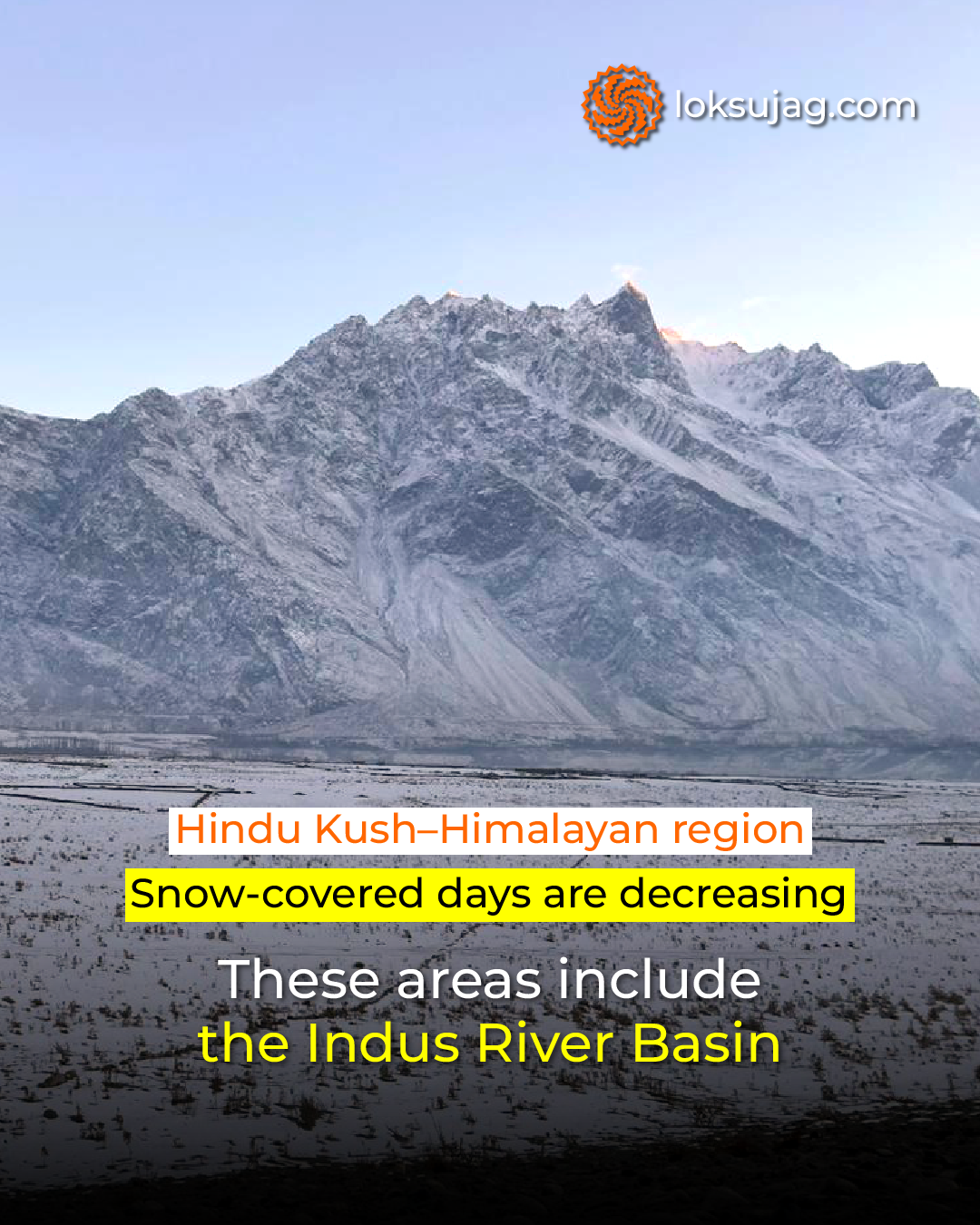
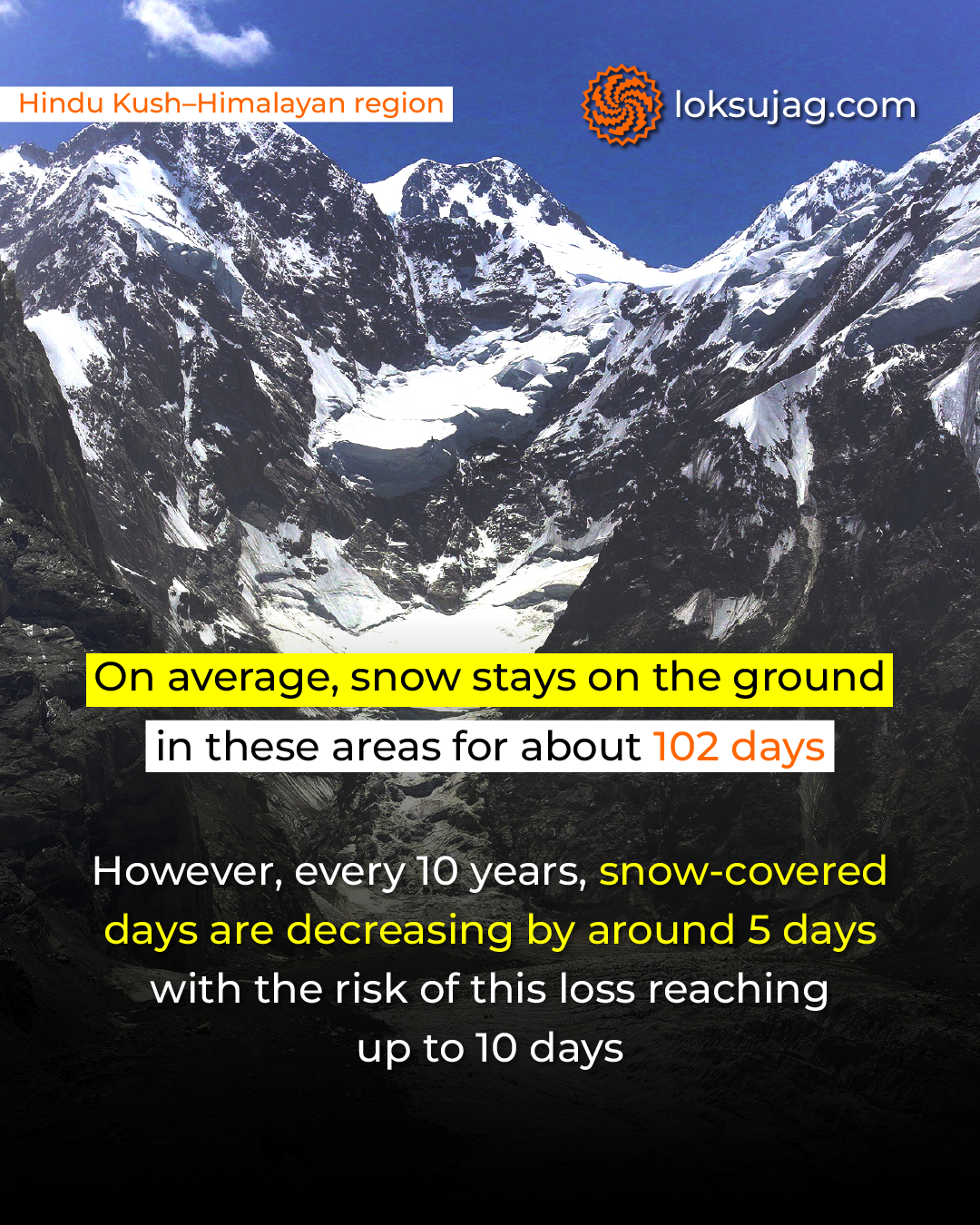
According to the report, snow in the Hindu Kush and Himalayan regions is not only falling in less quantity than before but it does not stay on the ground for long. Data shows that the duration of snow accumulation has reduced by about 23.6 percent in the last two decades, which is the lowest level in the last 23 years. The situation is no different in Skardu, the main city of Gilgit-Baltistan.
According to the Meteorological Department, the minimum temperature in Skardu till mid-December this year was -7 to minus -9 degrees Celsius, while in the past it used to fall to -15 to -18 degrees during the same period.
This increase in temperature indicates that the natural system of snowfall has been disrupted.
A study published in the renowned scientific journal Nature in 2025 also shows that the duration of snowfall in the Hindu Kush and the Himalayas is decreasing year by year, which experts are calling a 'snow drought'. This simply means that the days when the ground was covered with snow are now decreasing in the mountains. Which means that there will not be the required amount of water for the summer.
National Water Security
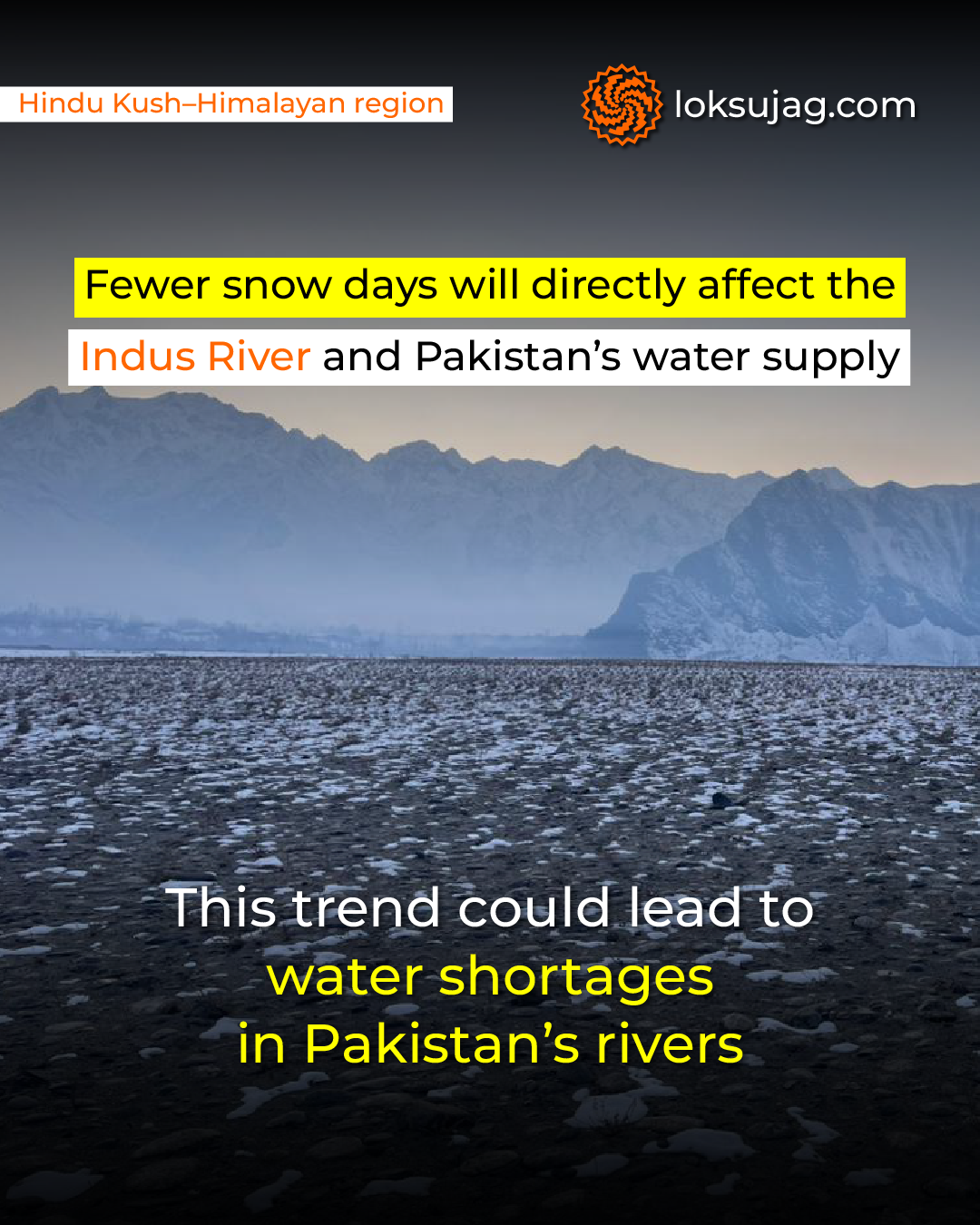
According to the recent assessments of the Pakistan Meteorological Department and its 'Seasonal Outlook Reports', the western monsoon is either arriving late or is very weak in the northern regions of the country. This glacial drought is having a direct and devastating impact on Pakistan's water resources. Tarbela Dam, which is the axis of the country's agriculture and power, has approached the dead volume several times in recent years between February and April.
According to the latest data (Dec 23, 2025), the inflow and outflow of water at Tarbela in the Indus River are almost equal (about 20,000 cusecs), while the dam level is at 1485.47 cusecs, which is not far from the dead level of 1,402 cusecs. This situation is a matter of concern because if there is no timely snowfall in the mountains, there will be a severe shortage of water in the rivers and canals in the coming summer, which will not only affect agriculture but also bring daily life to a standstill.
Describing the crisis, Attaullah, the executive engineer of the Public Health Department in Shangla, says that several government 'gravity water schemes' (natural water supply schemes) in tehsil Puran have dried up. He says that due to delayed snowfall and early melting, water cannot be stored and the natural springs of the land are drying up.
Health crisis and climate change
The effects of climate change have now reached the wards of hospitals. According to Dr. Muhammad Iftikhar, MS of Tehsil Headquarters Hospital Puran in Shangla, the presence of mosquitoes is unusual in the winter but now malaria cases are being reported.
“Along with this, there is a huge increase in patients with influenza and other seasonal diseases, which is a clear and dangerous sign of the changing climate.”
The seriousness of this condition is further clarified by the "State of the Cryosphere Report 2025" of the ICCI (International Cryosphere Climate Initiative). According to this report, the lack of snowfall in the Hindu Kush and the Himalayas is no longer temporary but a permanent threat.
Experts warn that if the global temperature increase reaches two degrees Celsius, 40% of the glaciers in these areas will disappear. However, if this increase is limited to 1.5 degrees, this loss can be prevented by 15%.
According to Dr. James Kirkham, the author of the report, policymakers now have to accept the facts because this acceleration in the rate of snowmelt can create food and political instability in the entire region, including Pakistan.
The question of economy and survival
These alarming figures from global reports are also confirmed by Prof Dr Muhammad Qasim, an environmentalist at the University of Swat.
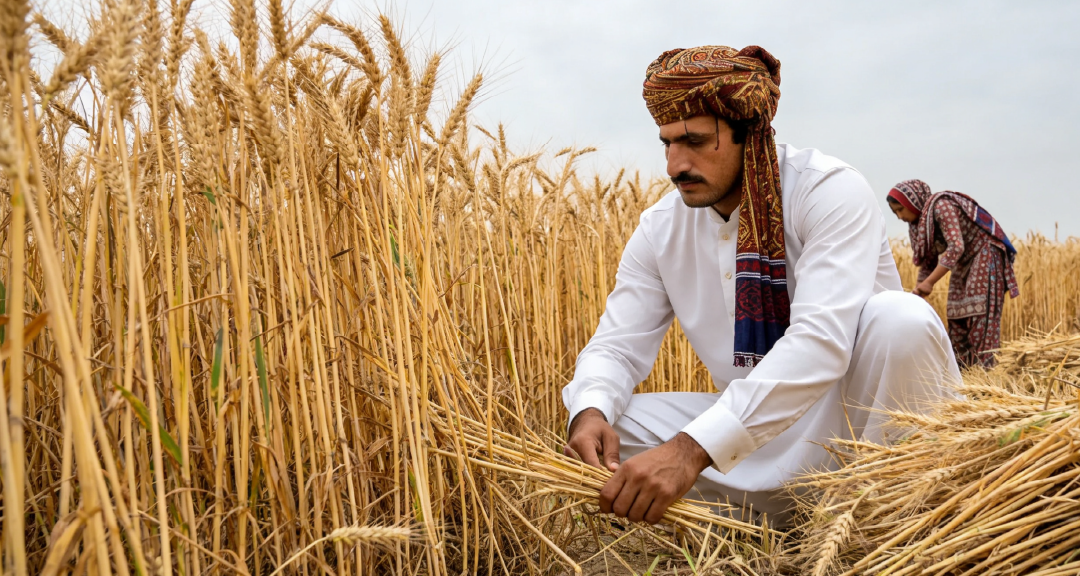
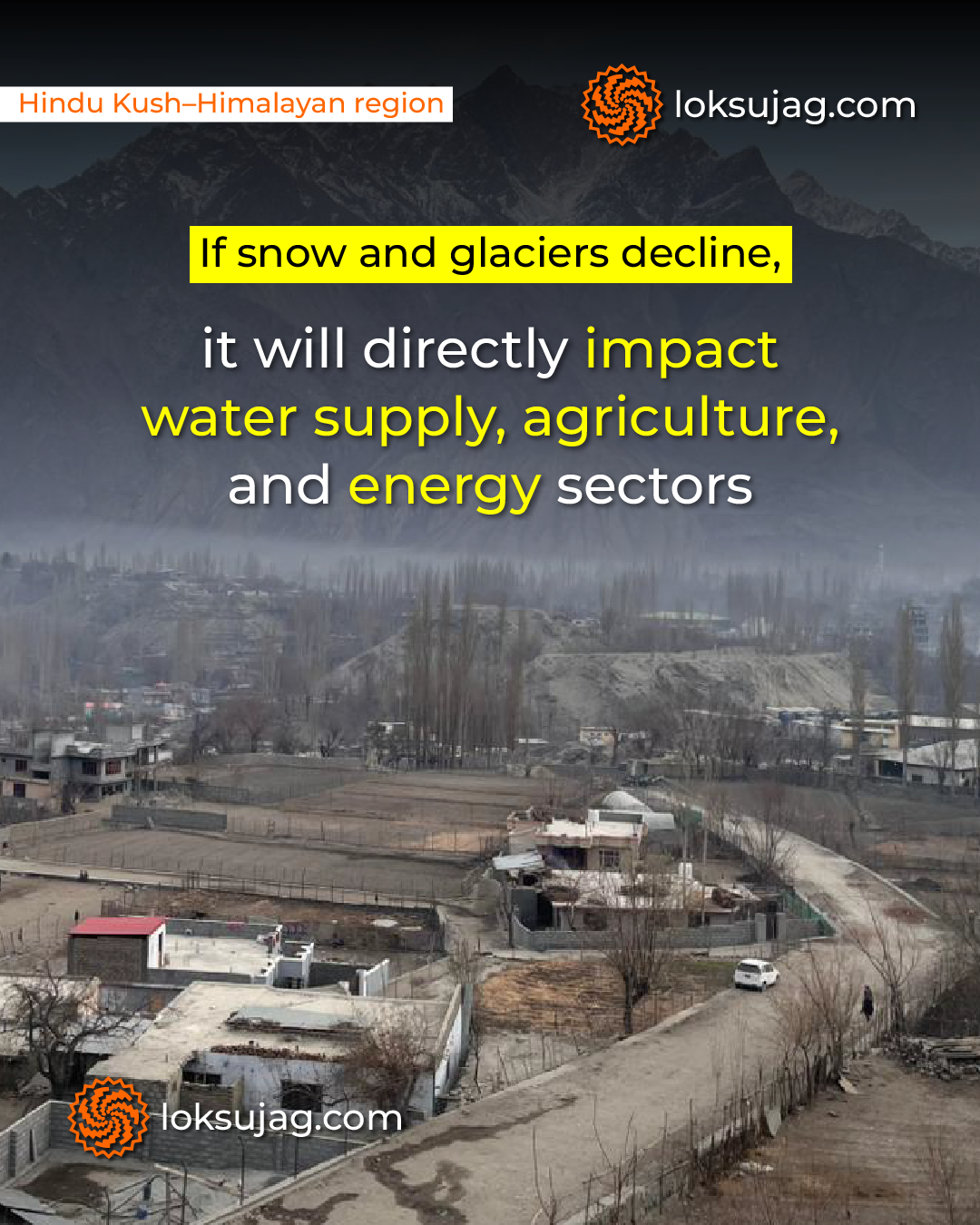
He told Lok Sujag that over the past 30 years, rainfall and snowfall in the northern regions of Pakistan have decreased by 40 percent. He says that Pakistan’s entire river system (Indus Water System) depends on glaciers and the snow it receives, and its decline means the collapse of the backbone of the country’s economy, i.e. agriculture.
Dr Qasim further explains that the effects of this glacial drought are multifaceted. It will not only affect electricity generation (hydropower) and tourism, but will also lead to environmental problems such as deforestation and the spread of new diseases.
Experts are unanimous that if there is no immediate and sustainable reduction in the emission of toxic gases at the global level, these effects will prove to be even more devastating in the future.
Glacial drought has now become not just a scientific term but a bitter reality. Now the question is not what is happening in the mountains, but the real question is, when this water and economic crisis arising from these mountains reaches the plains of Pakistan, how much will we pay for it?
Published on 24 Dec 2025